

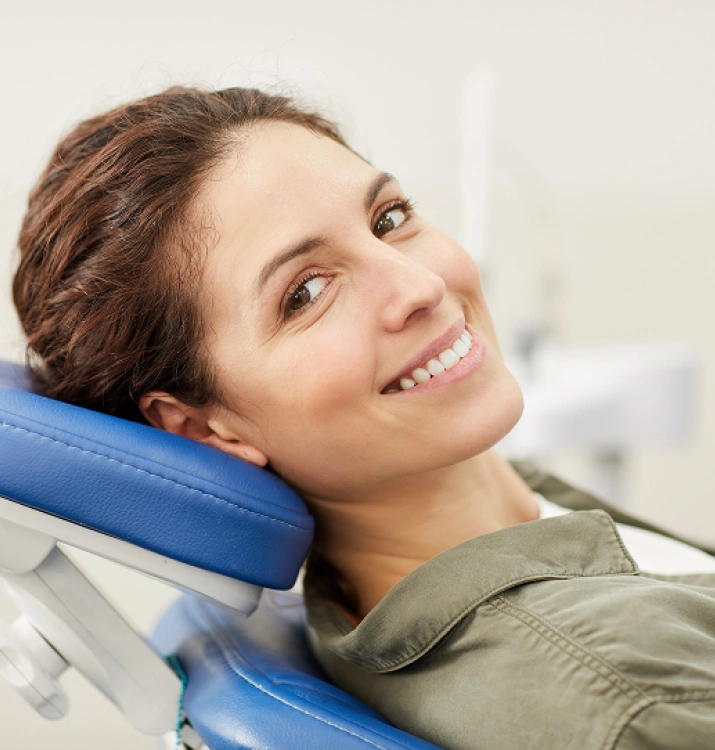
A Relaxing Environment for Every Patient
IV sedation dentistry can help make your dental experience more comfortable and relaxed. Intravenous (IV) sedation is an anesthetic technique that involves administering anti-anxiety medications directly through the veins. It can be used for various procedures, including routine cleanings, fillings, extractions, and even more complex procedures such as root canals.
Dental sedation is also known as twilight anesthesia, conscious sedation, and sleep dentistry. It is different from general anesthesia, which puts patients completely to sleep and requires them to be monitored by an anesthesiologist.
How Does IV Sedation Work?
With IV sedation, medication is delivered directly into your bloodstream through an IV line. This allows the medication to take effect quickly and provides a more predictable level of sedation than other methods.
During the procedure, a small IV catheter is inserted into a vein in your arm. The sedative will be slowly injected into the IV line. If you fear needles, Dr. Samani will use a numbing cream so you won't feel anything while being pricked. The medication used for IV sedation can vary, but it is typically a short-acting benzodiazepine, such as midazolam. The dose is individualized based on the person's age, health, and the type of procedure being performed.
Once the sedative kicks in, you may feel drowsy and relaxed, but you will still be able to respond to commands from your dentist. Patients who receive IV sedation will usually remain awake during their procedure but may not remember much of it afterward. The level of sedation can be adjusted throughout the procedure as needed so that the patient remains comfortable and safe.
After the procedure, the dentist will remove the IV line and monitor your vitals until the effects of the medication have worn off. IV sedation generally takes effect within minutes and wears off relatively quickly after the procedure. You will need someone to drive you home after your appointment because the effects of the medication can last for several hours. You are advised to take a day off and rest at home. It would be better to have someone to stay with you for the next 24 hours.
Is IV Sedation Safe?
Generally, intravenous sedation is considered safe when it is performed by a qualified healthcare professional using proper precautions. Still, patients must follow their dentist's instructions before and after the procedure. For example, patients should not eat or drink anything for a few hours before receiving IV sedation.
There are some risks associated with IV sedation, as with any medical procedure. The most common side effects are dizziness, lightheadedness, or nausea. These typically resolve within a few minutes after the procedure is completed.In rare cases, patients may experience more serious side effects such as low blood pressure, irregular heartbeat, respiratory problems, and drug reactions. However, these risks are typically very low when IV sedation is performed by a trained professional such as a dentist or anesthesiologist.
Patients with pre-existing medical conditions or taking certain medications may be at increased risk for complications from IV sedation. You will need to discuss your medical history with your dentist before having any procedure that involves IV sedation.
Advantages of IV Sedation Dentistry
Some of the advantages of IV sedation over other types of dental anesthesia include:
- More Control: With IV sedation, the dentist can precisely adjust the level of sedation, keeping the patient relaxed but still able to cooperate when needed.
- Less Invasive: The patient remains awake and able to communicate with the medical team, allowing immediate reporting of any discomfort or issues.
- Faster Onset: IV sedation works more quickly than oral sedatives—ideal for time-sensitive procedures or patients with high anxiety.
- Better Monitoring: Because the medication is delivered directly into the bloodstream, vital signs can be closely monitored to ensure safety and comfort.
- Fewer Side Effects: IV sedation generally carries a very low risk of serious side effects, which are typically mild and short-lived.
- Quick Recovery: Patients can wake up quickly after treatment with minimal confusion, allowing them to return home soon after the procedure.
Are You a Good Candidate for IV Sedation?
Going to the dentist can be a stressful experience for many people. This is why IV sedation dentistry has become popular for those who want to minimize their anxiety during dental procedures. Your dentist may suggest IV sedation if:
IV sedation may be recommended by your dentist in various situations. If you have a fear of needles and dental anesthesia, IV sedation can help alleviate your anxiety during dental procedures. Moreover, if you have a sensitive gag reflex or find it difficult to get numb from local anesthesia, IV sedation can provide a more comfortable experience.
Another scenario where IV sedation may be suitable is when you require multiple procedures to be performed simultaneously. This sedation method allows you to undergo multiple invasive oral surgeries like tooth extractions or dental implant placements without discomfort or anxiety.
It's important to note that while IV sedation can be beneficial in these situations, there are certain medical conditions that may make it contraindicated. These conditions include sleep apnea, heart conditions, diabetes, high blood pressure, and seizures. Additionally, if you are taking specific medications that may interact with sedatives, IV sedation may not be recommended for you. To determine if you are a good candidate for IV sedation, your dentist will carefully review your medical history and current medication list.
By considering these factors, your dentist can make an informed decision about whether IV sedation is the right choice for you. Rest assured, your comfort and safety are their top priorities throughout the dental procedure.